Articles

Beyond Planting Trees: Restoring Native Forest and Freshwater Ecosystems In Darjeeling Himalaya

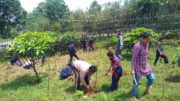
Prior to the colonial period, large areas of the lower and middle elevations, specifically in Darjeeling were covered by extensive subtropical and temperate broad-leaf forests that formed a continuous ecological network across the hills. During British rule, the landscape underwent a profound transformation as forests were cleared to establish tea plantations, settlements, roads, and other infrastructure. These changes shaped the economic and cultural identity of the region and continue to influence the landscape today. However, they also resulted in the fragmentation and loss of vast tracts of native forest ecosystems.

What remain today are often isolated patches of native vegetation embedded within tea estates, agricultural lands, village forests, and human settlements. Though fragmented, these remnants represent some of the last surviving examples of ecosystems that once dominated the Darjeeling Himalaya.

Restoring ecosystems is not only about conservation; it is also about people.

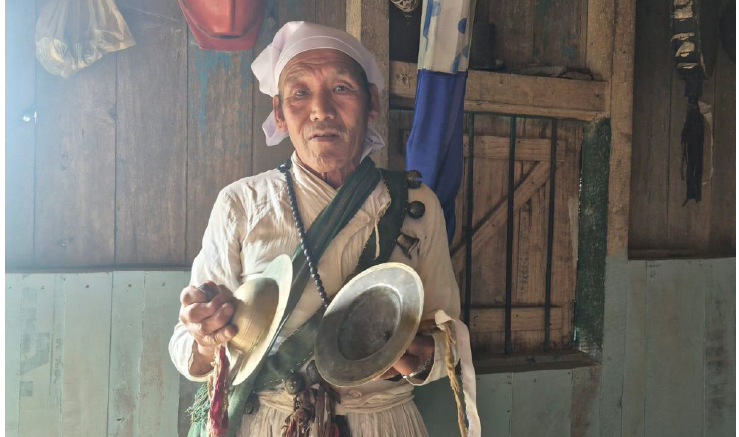
Healthy native forests support a wide range of non-timber forest products (NTFPs) that contribute to rural livelihoods and cultural traditions. Seasonal collection of fiddle-head ferns (ningro), wild mushrooms, bamboo products, wild edible fruits, fodder resources, and medicinal and aromatic plants has long formed an important part of life in the Darjeeling-Sikkim Himalaya. These resources provide food, nutrition, traditional medicines, and supplementary income for many households while helping preserve traditional ecological knowledge passed down through generations.

Read More

Lest We Forget – The Teesta Disaster, 4 October 2023

The October 2023 Teesta Floods and the acronym GLOF are not going to be easily erased from our memories, especially when it rains in the first week of October. Neither is the scarring of the landscape and the river flowing alongside houses, roads and highways going to heal overnight, considering very little was done for the rehabilitation of the landscape. What has faded is the much needed national and mainstream media focus on the issue and dialogue for rehabilitation and resilience building. As a region we have to ask the question, are we left to live with the impacts of the Teesta Disaster 2023 or are we going to learn from it and build back better?