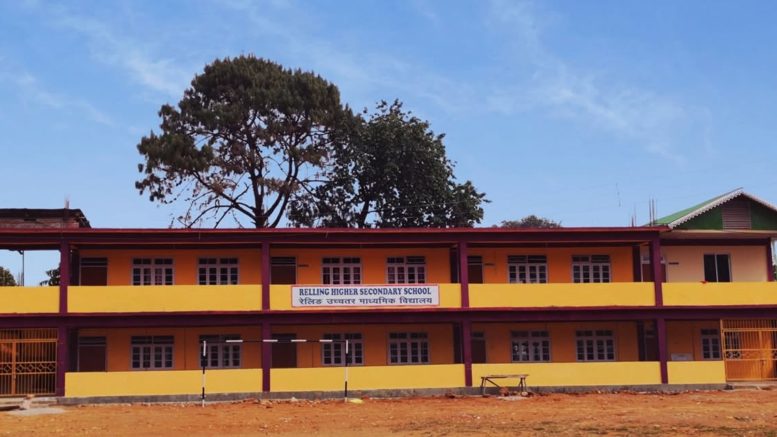
TEACHER-IN-CHARGE IN RELLING H.S SCHOOL TO BE REPLACED: Calcutta High Court directs appointment of Dr. Anita Lama as the New Teacher-in-Charge
The court recorded that it was not in dispute that Dr. Lama meets both criteria. While the current Teacher-in-Charge did not have the required ten years when he was appointed in 2024. The court also noted that, as informed, the current TIC is drawing salary in the Honours graduate scale, and not the Post-Graduate Scale.
On this basis, the court held that Dr. Lama is entitled to be appointed in place of the current TIC, who does not meet the criteria. The court directed the District Inspector of Schools, to take the necessary steps and complete the formality within the next four weeks.
This verdict opens room for senior teachers in all schools across the Gorkhaland Territorial Administration and the rest of the state, who were sidelined to make room for TMC/BGPM appointees, to reclaim their rightful place.
Read More